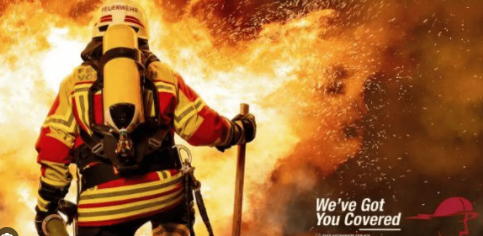
Fire watch guards are trained safety professionals responsible for continuously monitoring premises for potential fire hazards. Workplaces rely on them when normal fire protection systems are unavailable or when operations increase fire risk. According to industry safety data, a large percentage of workplace fire incidents occur during routine activities such as equipment use, maintenance, or temporary system shutdowns. Fire Watch Guards provide human oversight that technology alone cannot replace.
How do fire watch guards help reduce fire-related incidents?
Statistics from workplace safety studies show that early detection plays a major role in reducing fire damage. Fires identified within the first few minutes are significantly less likely to cause injuries or major property loss. Fire watch guards patrol designated areas, observe changes in temperature, smoke, or unusual odors, and respond immediately to warning signs. Their presence reduces response time and limits escalation, which directly improves overall safety outcomes.
Which workplaces benefit most from fire watch guard services?
Industrial facilities, construction sites, warehouses, commercial buildings, and large event venues often benefit the most. Data indicates that environments with heavy machinery, electrical loads, or ongoing maintenance have a higher likelihood of fire-related incidents. Fire watch guards offer added protection during high-risk periods, ensuring safety coverage remains consistent even when normal safeguards are temporarily unavailable.
What responsibilities do fire watch guards typically handle?
Fire watch guards conduct routine patrols, document observations, and maintain constant awareness of fire-prone areas. They are trained to identify hazards such as overheating equipment, blocked exits, or unsafe material storage. Statistics-focused safety reports highlight that workplaces with active monitoring experience fewer repeat incidents, largely due to consistent documentation and accountability. Guards also act quickly in emergencies, helping minimize downtime and disruption.
How do fire watch guards contribute to workplace productivity?
Workplace safety data shows that fire-related disruptions can result in significant operational losses. Fire watch guards help prevent unexpected shutdowns by identifying risks early. This proactive approach allows businesses to continue operations with confidence, knowing safety is being actively managed. Employees also feel more secure, which studies link to higher productivity and lower absenteeism.
Are fire watch guards a cost-effective safety solution?
From a statistical perspective, the cost of preventive safety measures is often far lower than the financial impact of a single fire incident. Property damage, equipment replacement, and lost work hours can quickly exceed preventive investment. Fire watch guards help reduce these risks, making them a practical and cost-efficient component of workplace safety planning.
Why are fire watch guards considered a critical line of defense?
Fire watch guards serve as the human layer of protection that bridges gaps in automated systems. Statistics consistently show that human vigilance remains one of the most effective tools in preventing workplace fires. By combining awareness, rapid response, and continuous monitoring, fire watch guards play a vital role in safeguarding people, property, and daily operations.